
Solar Rooftop
Calculator India
Calculate exact solar system size, subsidy amount, monthly savings, and payback period using real 2026 state irradiance data. Covers all 22 major states.
Solar Savings Calculator
PM Surya Ghar Subsidy Included • 2026 Rates
Check your last 3 months' average
~100 sq. ft needed per kW
Higher efficiency, ideal for smaller roofs
Solar Potential
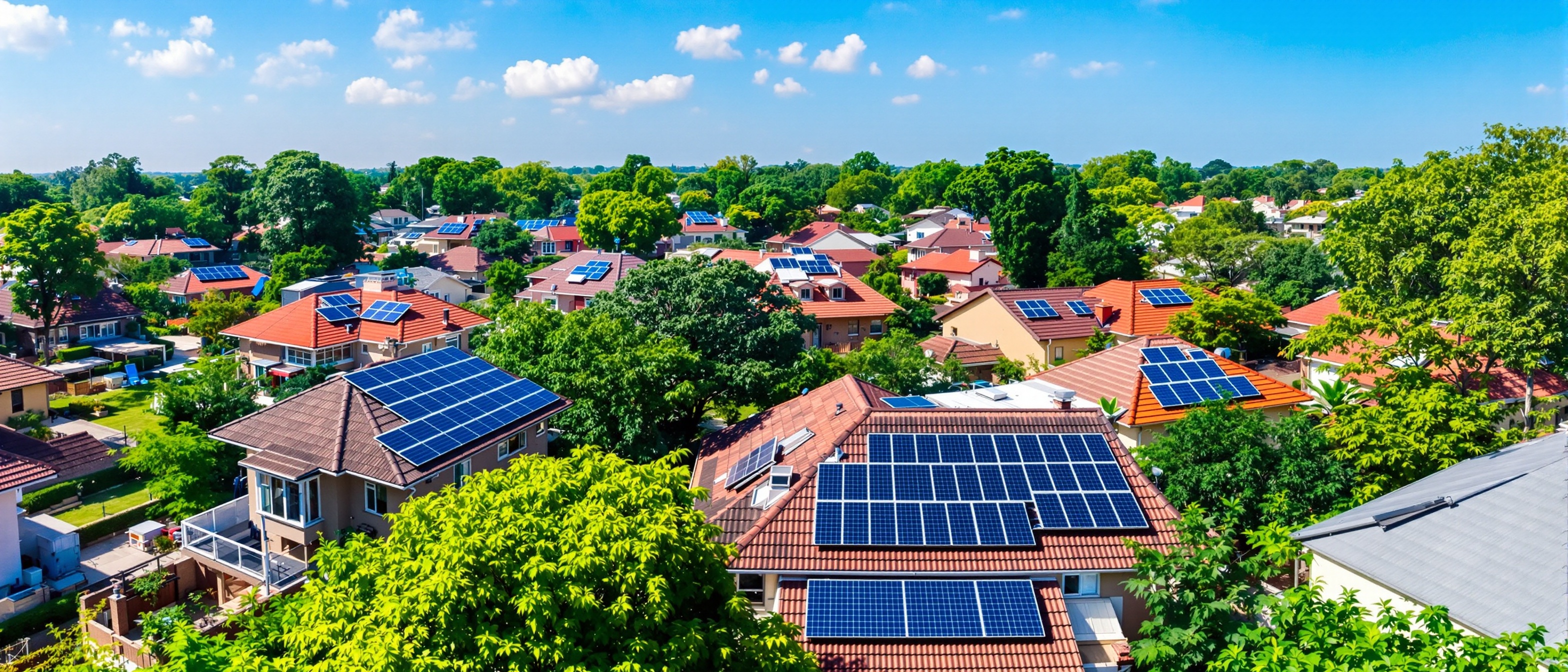
India gets 300+ sunny days/year. Even moderate-irradiance states like UP and Punjab average 4.8 kWh/m²/day of solar energy — enough for 4–6 year payback.
Net Metering India
Grid-tied systems let you sell surplus power to the DISCOM grid. Your smart meter tracks credits monthly. Most states now mandate Net Metering under CERC 2023 regulations.
Zero-Bill Target
A properly-sized rooftop solar system can offset 80–100% of your electricity bill within 3–5 years after the PM Surya Ghar subsidy. Panels last 25+ years with minimal degradation.
Solar Components on Amazon.in
Not ready for full rooftop? Start with these kits. Build up your solar journey step by step.
Best 100W–200W Portable Solar Panels
For Balconies, Camping & Off-Grid Use
Plug-and-play portable panels. No installation needed — ideal for renters and balcony users.
Top-Rated Lithium-Ion Solar Inverters
Luminous, Microtek & Amaze — 2026 Models
Grid-tied & off-grid solar inverters with MPPT charge controllers. Compatible with all rooftop systems.
Best Solar Street Lights & Garden Sensors
No Wiring Needed — Plug in Sunlight
Solar-powered motion sensor lights, garden lamps and security lights. Zero electricity cost.
Affiliate disclosure: DesiUtility may earn a small commission on qualifying Amazon.in purchases. This does not affect product recommendations.
How to Apply for Solar Subsidy in India
Step-by-step process for PM Surya Ghar Muft Bijli Yojana. Solar Subsidy Registration takes less than 30 minutes online.
Check Eligibility
You must be a residential electricity consumer with a valid DISCOM consumer number. The property must be owned (not rented). Maximum system size: 10 kW per household.
Register on PM Surya Ghar Portal
Visit pmsuryaghar.gov.in. Register using your state, DISCOM, consumer number, and Aadhaar-linked mobile. Application is 100% free and paperless.
Get Technical Feasibility
Your DISCOM will send a field officer to inspect your roof and approve the system size. This usually takes 5-10 working days. Net Metering registration is done simultaneously.
Choose MNRE-Approved Vendor
Select only vendors from the MNRE empanelled vendor list. Using unapproved installers will disqualify you from the subsidy. Get 3 quotes before finalising.
Installation & Inspection
Installation typically takes 1-3 days. After commissioning, DISCOM installs a bi-directional smart meter for net metering. Post-installation inspection is mandatory.
Subsidy Credited via DBT
Submit commissioning certificate + bank details on the portal. The subsidy amount is directly transferred to your bank account within 30 days. No middlemen involved.
Official Registration Portal: pmsuryaghar.gov.in
Helpline: 1800-180-3333 (Toll Free) | Available Mon–Sat, 9 AM – 6 PM. MNRE-Approved Vendor list is available on the official portal by state.
The average 3 kW PM Surya Ghar installation reaches financial break-even in 2.6 years after the ₹78,000 subsidy. 25-year net return: ₹7.3 lakh at a 2% annual tariff escalation rate.
Assumes 5.5 peak sun hours/day · 25-year panel warranty · ₹8/unit current blended tariff.
Monocrystalline vs Polycrystalline Panels
Which panel is best for high-heat states like Rajasthan? Here's the full Eco-Expert breakdown.
Expert Pick: Monocrystalline for Rajasthan & Gujarat
High-heat states need panels with lower thermal degradation. Monocrystalline panels lose only 0.3%/°C vs 0.4%/°C for poly — that's 8–12% more power output in peak summer. The higher upfront cost is offset within 2 years.
Budget Pick: Polycrystalline for Large Roofs
If you have 500+ sq. ft of roof space and want to maximise kW per rupee, polycrystalline gives 15–20% cost savings. Ideal for commercial premises in moderate-climate states like West Bengal, Kerala, or Assam.
Frequently Asked Questions
Expert answers to your solar questions — no jargon.
Yes, solar panels generate electricity from light, not heat. On overcast or rainy days, efficiency drops by 25–30%, but panels continue to produce power. Coastal states like Goa and Kerala with 4–5 rainy months still achieve 7–8 year payback periods.